
Five of the Best Drumset Accessories Every Drummer Should Have! Drummer Gifts!
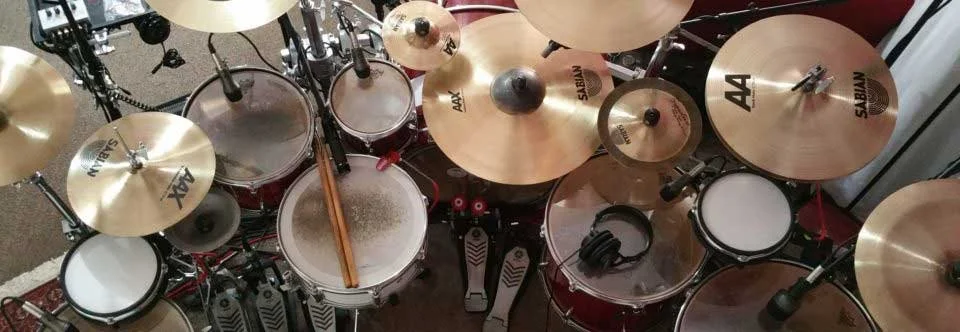
Best Drumset Accessories for Drummers in 2026
Essential Drum Kit Accessories That Improve Speed, Sound, and Creativity
If you are searching for the best drumset accessories, drum kit accessories, or practical drum hardware upgrades, this list focuses on useful solutions that can improve your setup, workflow, and playing experience. These are not novelty items. They are practical accessories that can help drummers set up more efficiently, expand their playing options, and solve common hardware problems.
Many drummers discover new gear randomly through videos, recommendations, or trial and error. The right drum accessories can make a noticeable difference, especially when they solve a specific problem that comes up regularly during practice, rehearsals, recording sessions, or live performances.
This guide focuses on accessories with clear, practical applications. Some are designed to improve setup efficiency, while others provide additional functionality or make existing drum hardware more versatile.
Below is a curated list of essential drumset accessories and practical drum hardware upgrades, with real-world use cases and Amazon links to make finding the recommended products easier.
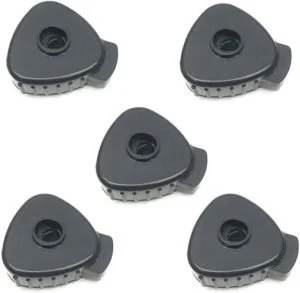
1. Quick-Release Cymbal Nuts for Faster Drum Setup
Quick release cymbal nuts are one of the most underrated drumset accessories for live performance and rehearsals. They replace traditional wing nuts on cymbal stands with a push-button or quick-release mechanism that allows you to secure or remove a cymbal quickly.
The advantage becomes obvious during setup and teardown. Instead of repeatedly spinning a traditional wing nut onto or off the cymbal stand, you can release the mechanism, remove the cymbal, and move on to the next piece of hardware.
For drummers who regularly play live shows, rehearsals, gigs, or multiple setups in a day, small time savings can add up quickly. Quick release cymbal nuts are a simple drum hardware upgrade that can make the entire setup and teardown process more efficient.
They are particularly useful when you frequently need to remove cymbals for transportation or when multiple drummers share equipment. Once installed, they function much like the traditional cymbal nut while eliminating one of the more tedious parts of drum hardware setup.
If you spend enough time setting up a drum kit, eventually you start questioning why you are still manually spinning the same piece of hardware dozens of times. This is one of those inexpensive drum accessories that solves a very specific problem extremely well.
Why drummers use quick release cymbal nuts
Faster drum kit setup and teardown
Reduced wear on cymbal stand threads
Great for gigging drummers and students
Works on most cymbal stands and crash or ride cymbals
They are especially useful if you play multiple cymbals and want a faster stage changeover.
Pro tip
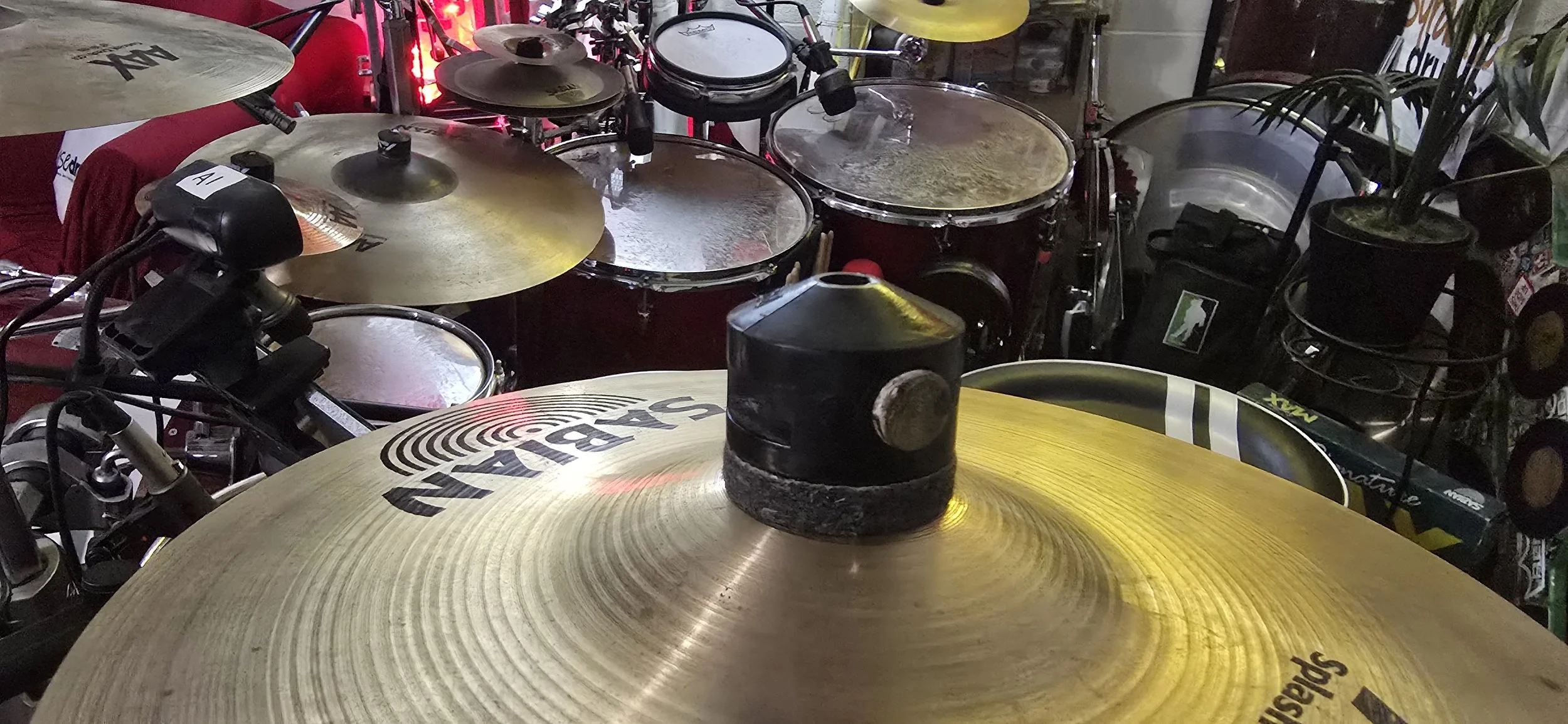
Buy enough for your entire kit. One per cymbal is the standard setup. They also make metal locking nuts (like mine) but they’re more expensive!
2. HiHat Drop Clutch for Double Bass Drum Pedal Setups
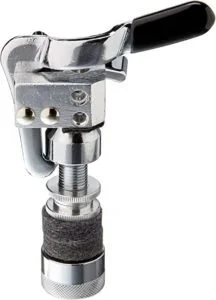
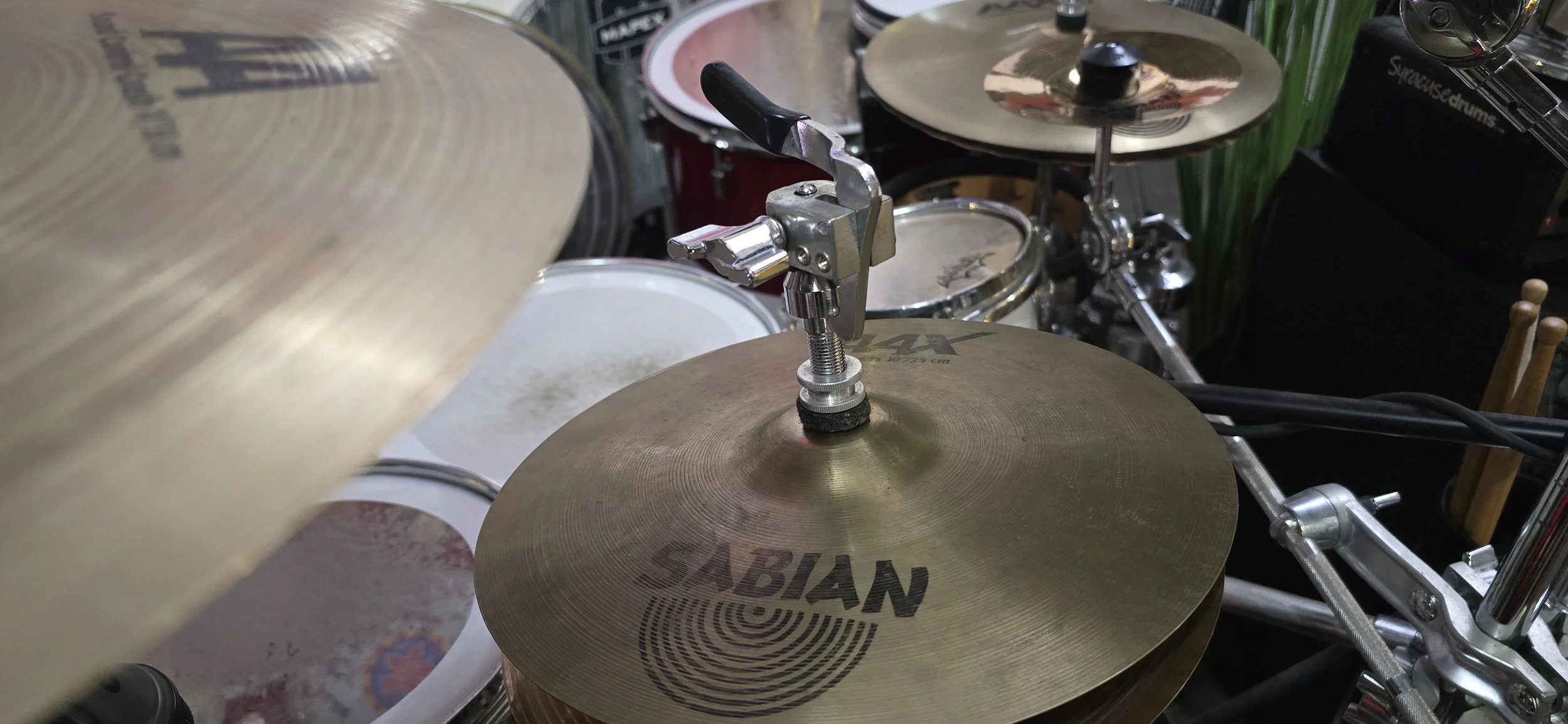
A hi-hat drop clutch is one of the most useful drum hardware upgrades for modern drumming, especially for drummers who use a double bass drum pedal.
A traditional hi-hat requires your foot to remain on the pedal to keep the cymbals closed. A drop clutch changes that by allowing you to lock the hi-hat cymbals in the closed position without keeping your foot on the hi-hat pedal.
That frees your foot to operate the second bass drum pedal while still maintaining a closed hi-hat sound. With a double bass setup, this can make certain grooves, patterns, and arrangements much easier to execute.
Drop clutches are also useful beyond double bass playing. They allow you to move between closed hi-hat and pedal-independent playing without having to constantly maintain pressure on the hi-hat pedal.
For drummers who play double bass, this is more than a convenience accessory. It can fundamentally expand what is possible with the feet while keeping the hi-hat available as part of the groove.
It is a relatively small piece of hardware that can solve a surprisingly large coordination problem.
What a drop clutch does
Plays closed hi hats while both feet are on bass drum pedals
Drops the top cymbal into place instantly
Releases and resets with a simple foot action on the hi hat pedal
Why it matters
If you are playing metal, fusion, or any double bass drum patterns, this accessory is not optional. It unlocks full independence between hands and feet.
3. Remote Hi Hat Stand for Expanded Drum Kit Layouts
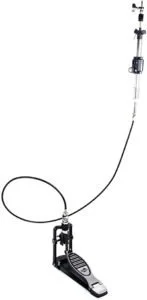
A remote hi-hat stand, also called a cable hi-hat pedal, is one of the most versatile drumset accessories for advanced drum kit customization.
Traditional hi-hat stands force the pedal and cymbals to occupy the same general location. A remote hi-hat system separates those two components. The pedal can be positioned where it is most comfortable, while the hi-hat cymbals can be placed somewhere else around the kit.
This opens up a lot of possibilities for custom drumset layouts. You can position the hi-hat cymbals in locations that would be difficult or impossible to reach with a traditional stand, while keeping the pedal accessible to your foot.
Remote hi-hat systems are particularly useful for drummers with large kits, unusual setups, multiple hi-hat pairs, or specific ergonomic requirements. They can also make it easier to incorporate a second hi-hat into a setup without sacrificing valuable space around the primary pedal area.
For drummers who like experimenting with drum placement and setup configuration, a remote hi-hat can turn the kit from a fixed arrangement into a much more flexible system.
Instead of asking, "Where does the hi-hat stand fit?" you can start asking, "Where would the hi-hat actually be most useful?"
Key benefits of a remote hihat system
Place hi hats on either side of the drum kit
Improve open-handed drumming setups
Fine-tune pedal tension like a cable system
Free up floor space around double bass pedals
Why professional drummers use it
A remote hi-hat system allows much greater customization of both ergonomics and creativity. Because the pedal and cymbals are no longer tied to the same physical location, you can design a setup around your playing rather than forcing your playing to accommodate the hardware.
This makes it possible to build hybrid drumset configurations that would be difficult or impossible to achieve with a standard hi-hat stand. Multiple hi-hats, unconventional cymbal positions, expanded percussion setups, and custom pedal arrangements become much easier to incorporate.
For drummers who enjoy experimenting with their setup, a remote hi-hat provides another level of flexibility without requiring a completely different drum kit.
Important note
Most setups require a separate mounting arm or cymbal stand for positioning the top cymbal.
4. Bass Drum Riser for Better Playing Angle and Drum Positioning
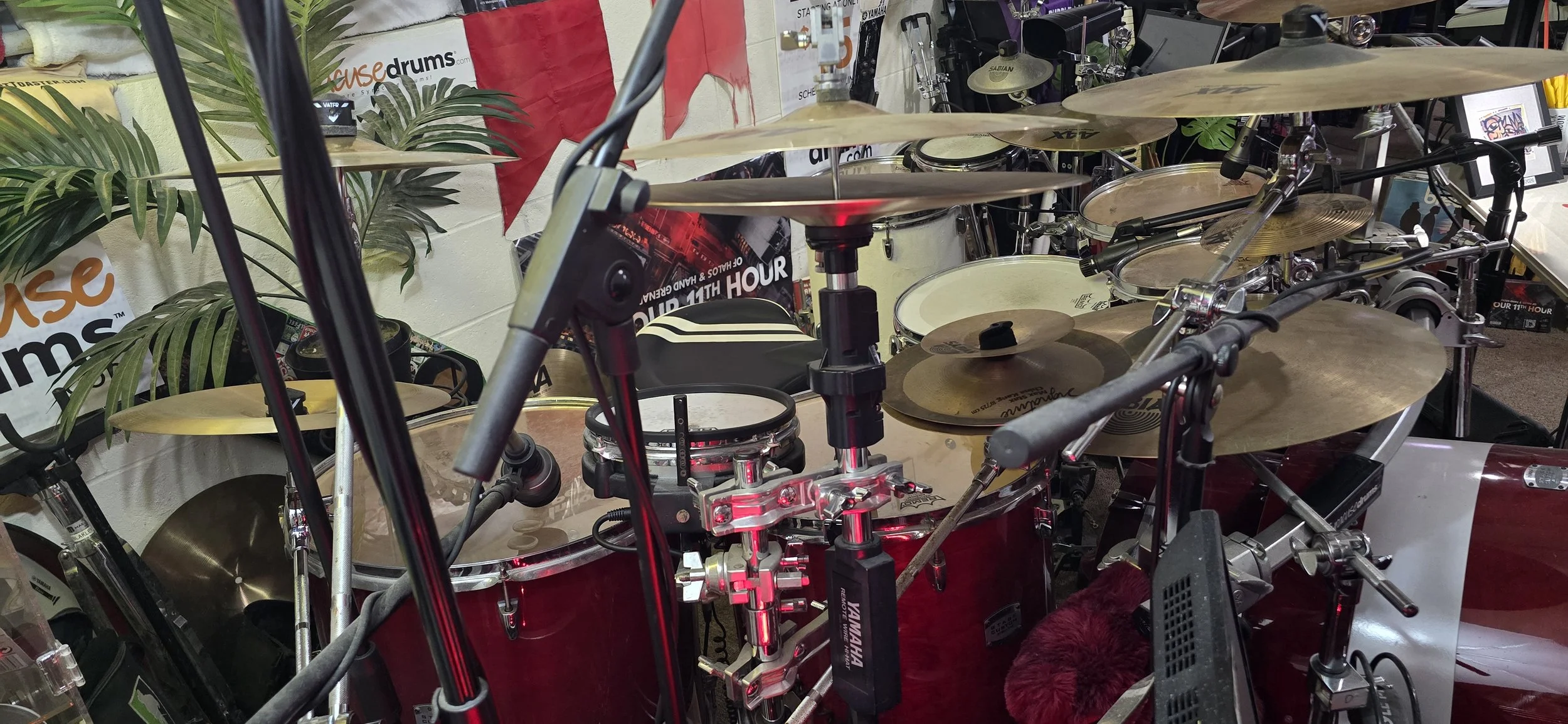
A bass drum riser is a practical drum hardware accessory that can solve two problems at once: pedal alignment and kit geometry.
By raising the bass drum, a riser can change the relationship between the bass drum, pedal, and other components of the kit. This can help create a more comfortable pedal position and make it easier to integrate the bass drum into a customized setup.
It can be especially useful when using smaller bass drums, double bass pedals, or drum hardware that does not naturally align with the height and position of the rest of the kit.
A bass drum riser is not necessarily exciting gear, but it can solve a very real setup problem. When the bass drum is positioned correctly, the pedal feels more natural, the rest of the kit can be positioned more consistently, and the overall setup becomes easier to customize.
For drummers who frequently experiment with drumset geometry, a riser can be a simple way to get the bass drum exactly where it needs to be.
Core function
A bass drum riser can also improve beater alignment and bass drum response. By raising the drum, it can help position the pedal so the beater strikes the drumhead closer to its intended target, rather than approaching from an awkward angle.
A more consistent beater position can produce a more consistent attack and response from the bass drum. This can be especially useful with smaller bass drums, where pedal and beater geometry can make proper alignment more difficult.
The result is a simple hardware adjustment that can improve both the physical setup of the kit and the way the bass drum responds when you play it.
Advanced use case for drum kit setup optimization
Beyond basic height adjustment, this accessory can help:
Flatten rack tom angles for better striking mechanics
Improve ergonomic positioning of mounted toms
Stabilize smaller bass drums in modern hybrid kits
Reduce awkward high tom placement caused by mounting hardware
Who should use it
Drummers with 18 inch to 20 inch bass drums, or bigger drums that need an extra point of contact on the floor
Hybrid and compact drum kit players
Students learning proper drum kit ergonomics
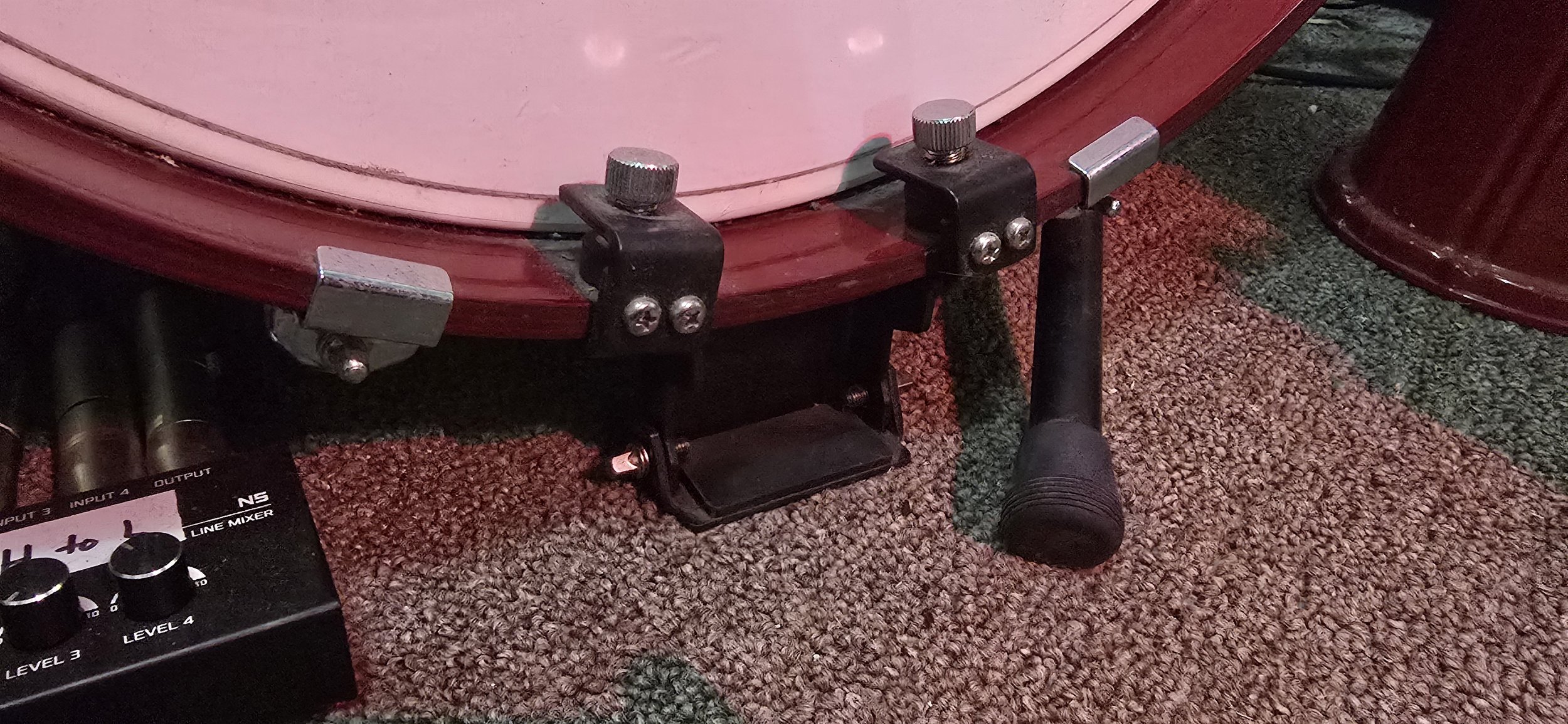
5. Adjustable Bass Drum Riser Stand System for Custom Kits
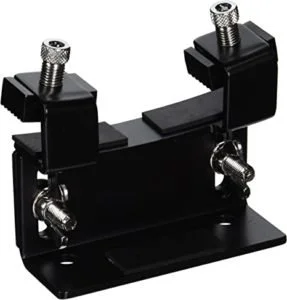
This is one of the most flexible solutions for bass drum positioning, especially for unconventional or highly customized drumset setups.
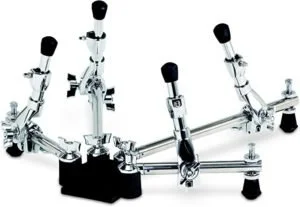
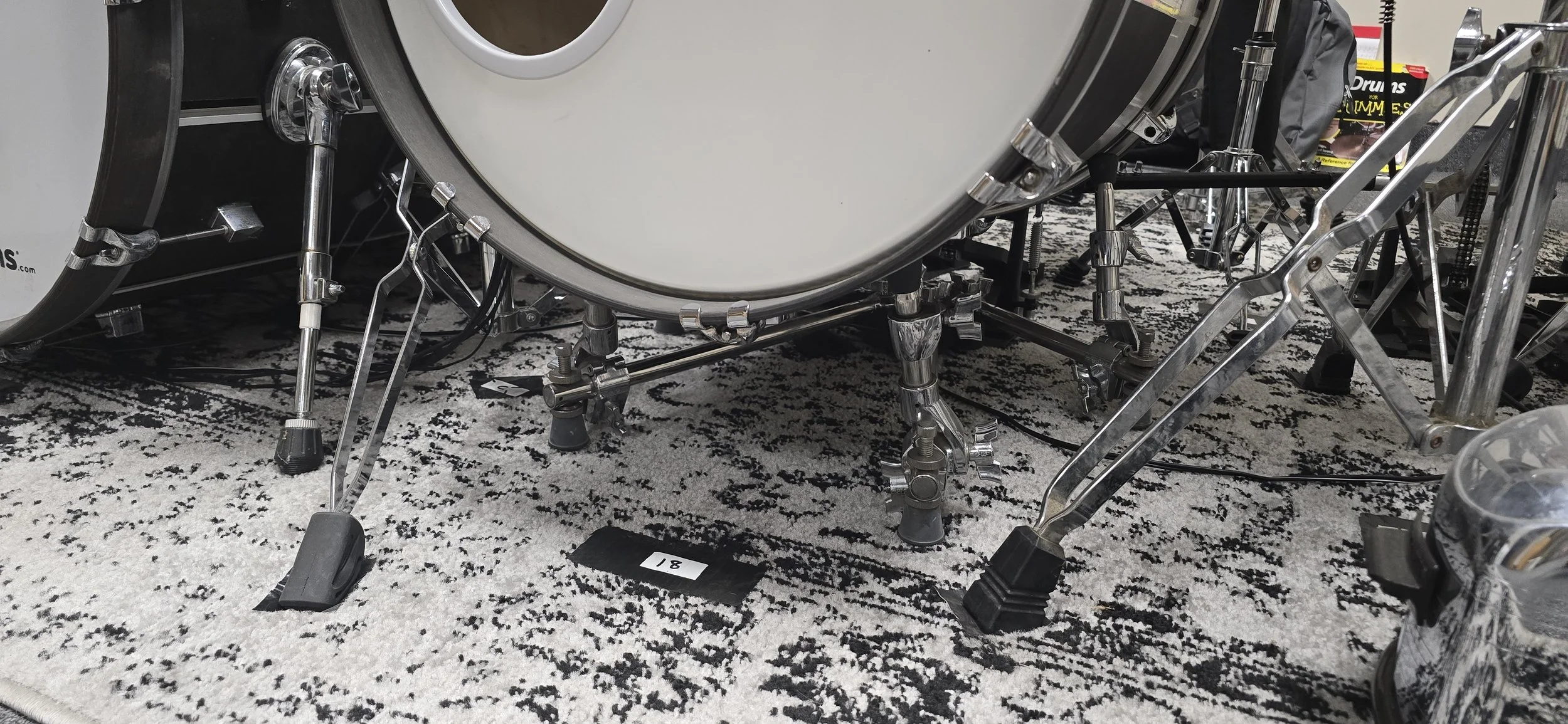
Unlike a simple bass drum riser that only raises the drum, this type of system functions as a full support platform with adjustable arms. That allows you to control the bass drum's position and relationship to the pedal and surrounding hardware with much greater precision.
This added adjustability makes it useful for custom configurations where a standard bass drum position does not provide the alignment or geometry you need. It gives you more control over the entire bass drum setup rather than simply changing its height.
Features
Fully adjustable support arms for multiple drum sizes
Secure pedal mounting system
Stabilization for floor tom conversions into bass drums
Spike feet for carpet or hard floor grip
Why it stands out
This type of bass drum support is particularly useful for drummers building compact travel kits, hybrid drumsets, or converted floor tom bass drums. Its adjustable design makes it easier to adapt unconventional drums to a functional playing position without being limited by the geometry of a traditional bass drum setup.
For drummers who regularly modify their kits or build custom configurations, it is one of the more adaptable drumset accessories available. It provides the flexibility needed to turn nontraditional drum layouts into practical, playable setups.
👉 Find the adjustable bass drum riser system on Amazon here!
Final Thoughts on Drumset Accessories That Actually Matter
Most drumset accessories fall into two categories: they save time or they unlock new playing possibilities. The accessories in this guide can do both.
If you are upgrading your drum hardware, these are good places to start:
Quick-release cymbal nuts for faster setup and teardown
Hi-hat drop clutch for double bass and modern playing techniques
Remote hi-hat stand for expanded and unconventional drumset configurations
Bass drum riser systems for improved pedal alignment, ergonomics, and custom kit geometry
These are not luxury items that simply add another piece of hardware to your drumset. They solve practical problems that drummers encounter during setup and performance.
The best drumset accessories are the ones you stop thinking about after you install them because they make something easier, faster, or more flexible. Whether you are upgrading a standard drum kit, building a travel setup, or creating a completely custom configuration, the right accessories can have a direct impact on your playing and workflow.
👉 Now go check out what drumsticks I recommend, or see my drum setups to see all this stuff in context!
About the Author
Patrick Blakley is a percussion educator, author, adjudicator, and entrepreneur specializing in marching percussion and drumline education. He is the creator of DrumPacket.com, DrumlineWarmups.com, DrumAudit.com, DrumsetGrooves.com, and SyracuseDrums.com. His educational materials and performance audio edits through CompetitiveMusic.com are used by hundreds of schools and programs across the United States and beyond. He is the author of Quadratics: The Tenor Drum Equation, The Field Percussion User Manual, and other instructional music books. Read more about him by clicking here!
