
Audio Editing Resources:
Explore a collection of audio editing resources designed for performance teams, instructors, and production needs across multiple disciplines. Browse editing services, music preparation tools, and structured resources built for real-world competitive and performance use. Whether you are refining timing, improving transitions, or building custom soundtracks, these audio editing resources bring together practical services and content from across the site in one organized place.
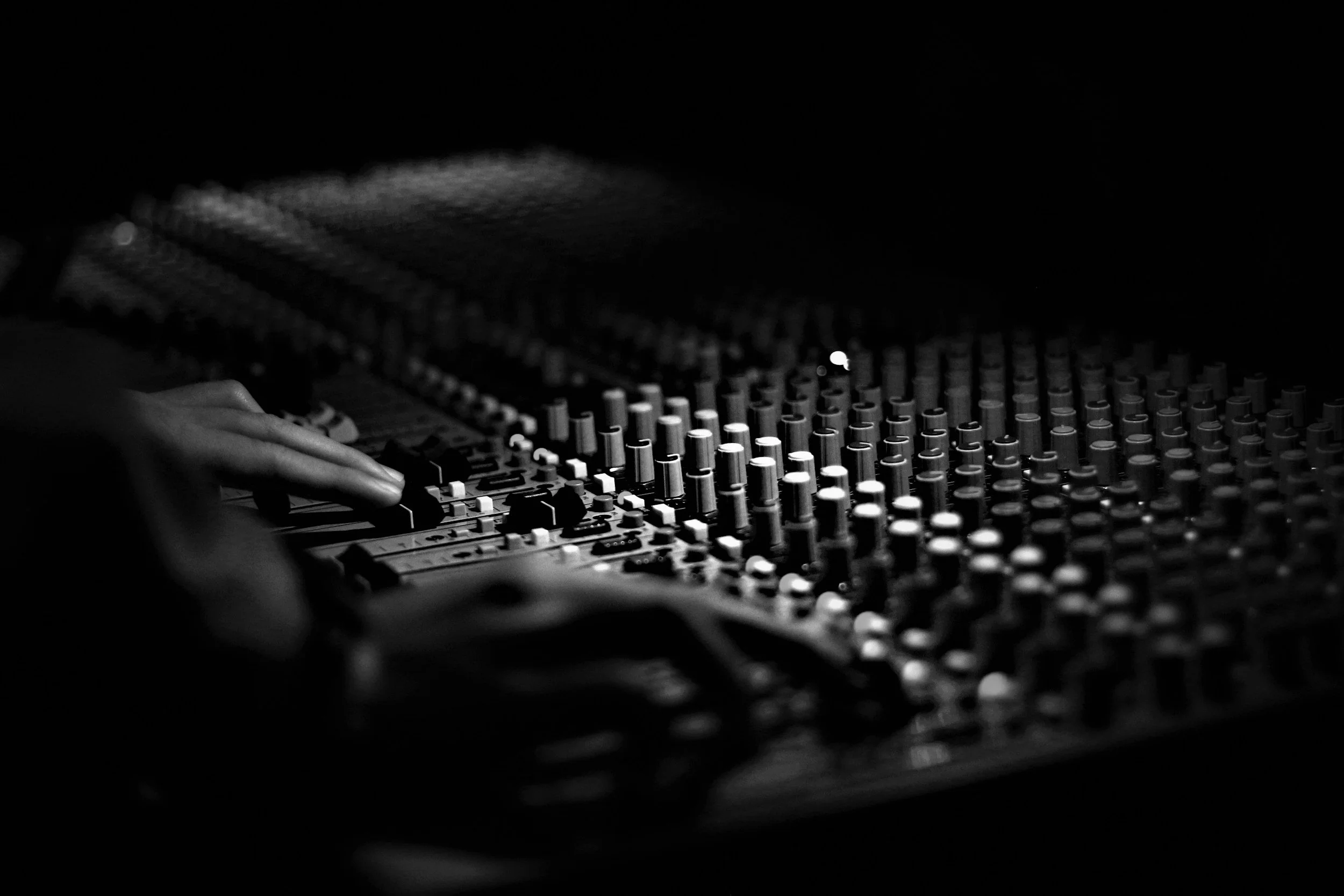
The Audio Editing Resources hub is a central collection of professional editing services and supporting materials for performance-based programs. It brings together audio editing solutions for dance, cheerleading, gymnastics, winter guard, figure skating, artistic swimming, and other movement-based activities. These resources are designed to support clean structure, precise timing, and performance-ready soundtracks for both rehearsals and competition.
Performance Audio Editing:
Other Audio Services:
Free Resources:
Performance Audio Editing Services
Performance audio editing focuses on creating clean, structured, and competition-ready music tailored to the specific choreography, movement, and performance requirements of a routine. A well-designed edit can help performers stay connected to the music while giving instructors and choreographers greater control over pacing, transitions, musical phrasing, and overall routine structure.
Each performance music edit is carefully organized to support timing accuracy, clear musical transitions, and consistent energy throughout the routine. This may include shortening sections, combining multiple songs, creating seamless transitions, adjusting the arrangement, removing unwanted material, or shaping the music to better match specific choreography and staging requirements. The goal is not simply to cut music, but to create an intentional musical structure that supports what is happening on the floor.
Competition audio often needs to accommodate precise timing requirements. Musical sections may need to begin or end at specific moments so that choreography, formations, visual effects, equipment work, or other performance elements occur exactly when intended. Clean editing helps prevent awkward pauses, abrupt cuts, distracting changes in volume, or transitions that feel disconnected from the movement.
Performance audio editing can also be used for marching band, winter guard, dance, cheer, figure skating, theatrical performances, and other competitive or choreographed activities. Different performance styles require different approaches, so the editing process should take into account the tempo, musical style, routine length, choreography, and desired emotional impact.
The finished audio should maintain musical flow while giving the performers a strong foundation for their routine. When transitions are carefully constructed and each musical section serves a purpose, the result is more cohesive, easier to rehearse, and better suited to a live competitive performance.
Professional performance audio editing is therefore about more than making music fit a time limit. It is about shaping the music around the performance so that timing, movement, transitions, energy, and musical clarity work together from beginning to end.
Dance Audio Editing
Dance audio editing is built around movement pacing, choreography structure, and the specific timing requirements of a performance. Music is edited to complement the choreography rather than simply provide background sound, allowing important musical moments to line up with movement phrases, formations, entrances, exits, and other planned sections of the routine.
These edits emphasize smooth transitions, clear musical phrasing, and precise timing adjustments that help create a cohesive performance from beginning to end. Sections of music can be shortened, rearranged, repeated, combined, or transitioned into other musical selections when needed to support the choreography and overall concept.
Timing is especially important in dance music editing. A routine may require a musical accent to occur at a specific movement, a transition to happen during a formation change, or a particular section of music to end at the exact point when the choreography finishes. Careful editing can make these moments feel intentional and natural rather than rushed or forced.
Dance performance music may also require changes in energy, tempo, instrumentation, or musical style throughout the routine. Effective editing preserves the character of the original music while creating a structure that gives each section of the choreography room to develop. Transitions are designed to maintain musical flow and avoid distracting cuts, sudden volume changes, or awkward pauses.
Whether the music is being prepared for a dance competition, recital, showcase, studio performance, or another choreographed event, the finished edit should support both the dancers and the choreography. The objective is to create polished performance audio that sounds natural to the audience while providing the precise musical structure performers need on stage.
Professional dance music editing combines musical judgment with technical precision. The result is an audio track that fits the routine, reinforces its pacing and emotional impact, and allows the choreography to remain the focus of the performance.
Cheerleading Audio Editing
Cheerleading audio editing focuses on energy, impact timing, and a sharp musical structure that supports the fast pace of a competitive routine. Music is carefully shaped around choreography, stunts, tumbling passes, jumps, formations, and other performance elements so that important musical moments occur where they have the greatest impact.
Competition cheer music often requires precise editing because routines contain many quick transitions between different types of movement. Sections of music may need to be shortened, rearranged, repeated, or combined to create a structure that matches the choreography. Strong musical accents can help highlight stunts, tumbling sequences, jumps, formations, and other key moments throughout the routine.
Timing and musical phrasing are particularly important when editing cheerleading music. A well-placed beat drop, accent, vocal phrase, or change in musical energy can reinforce a major visual moment and make the routine feel more synchronized. At the same time, transitions need to remain clean and natural so the music maintains momentum from one section of the routine to the next.
Cheer competition edits may also combine multiple songs, musical styles, tempos, and sound effects. These elements need to work together without creating distracting volume changes or abrupt transitions. Careful arrangement helps maintain a consistent energy level while giving different portions of the routine their own musical identity.
The finished audio should be exciting and performance-ready while remaining practical for rehearsal and competition use. Music that is structured around the routine can make it easier for athletes to anticipate major sections, coordinate choreography, and connect visual moments with musical accents.
Whether the music is being prepared for all-star cheer, school cheer, competitive cheerleading, or another performance setting, professional cheer music editing is about more than simply creating a high-energy track. The goal is to build a cohesive musical experience that supports the choreography, emphasizes important performance moments, and helps the entire routine feel synchronized, intentional, and competition-ready.
Gymnastics Floor Music Editing
Gymnastics audio editing focuses on routine timing, tumbling alignment, choreography structure, and musical flow. Music is carefully edited to complement the movement of a gymnastics routine, helping important skills, transitions, formations, and choreographed sections connect naturally with the music.
Each edit is structured to match the specific requirements of the routine while maintaining clarity and consistency from beginning to end. Sections of music can be shortened, rearranged, repeated, or transitioned into other musical selections when needed to create the right pacing for the performance. The goal is to make the music fit the routine without making the edits themselves distracting to the audience.
Timing is particularly important for gymnastics floor routines. Musical accents, changes in tempo, and shifts in musical energy can be coordinated with tumbling passes, leaps, turns, poses, and other choreographed elements. When these moments are aligned effectively, the music can reinforce the visual impact of the routine and help create a stronger connection between movement and sound.
Gymnastics music may also need to accommodate changes in intensity throughout a routine. A performance might begin with a controlled introduction, build toward a series of more energetic skills, and finish with a strong musical conclusion. Careful audio editing can help create these changes in energy while preserving the overall musical character and flow.
Competition routines often have specific time requirements, making efficient music editing especially important. Unnecessary sections can be removed while preserving the most effective musical phrases, allowing the finished track to meet the required length without sounding incomplete or heavily cut. Clean transitions and consistent volume levels also help produce professional-sounding performance audio.
Whether the music is being prepared for a gymnastics competition, floor routine, exhibition, showcase, or other choreographed performance, the finished edit should support the athlete's movement and make the routine easier for the audience to follow. Professional gymnastics audio editing combines precise timing with musical judgment to create an organized, polished, and performance-ready soundtrack.
Winter Guard and Visual Performance Editing
Winter guard audio editing emphasizes storytelling, musical structure, visual coordination, and the relationship between music and equipment work. Performance music is carefully structured to support the overall concept of a program while providing clear musical moments for choreography, movement, and visual equipment work.
These edits can support winter guard, color guard, baton twirling, majorette performance, rhythmic gymnastics, flag performance, streamer routines, and other activities that combine choreography with visual equipment. Music may be shaped around flag work, rifle and sabre work, baton tricks, tosses, catches, spins, formations, dance sections, and other important visual moments.
Timing is an important part of equipment-based performance audio editing. Musical accents, changes in energy, beat drops, transitions, and other significant moments can be positioned to complement specific parts of the choreography. A well-timed musical accent can help emphasize a major toss, catch, equipment exchange, formation change, or other visual effect without making the edit itself feel obvious.
Winter guard and color guard programs often use music to help tell a story or establish a particular mood. Audio editing can therefore involve more than simply shortening a song to meet a performance length. Multiple musical selections can be combined, sections can be rearranged, and transitions can be created to help the soundtrack follow the progression of the program from its opening moment through its conclusion.
Baton twirling and majorette performances can benefit from similar editing techniques. Twirling routines may require music to accommodate intricate choreography, baton tricks, tosses, spins, dance elements, and changes in performance energy. Streamer and flag routines may likewise depend on musical phrasing and carefully timed transitions to reinforce large visual movements and coordinated equipment work.
Professional performance audio editing can also help create contrast between different sections of a routine. A soundtrack might move from a quiet or dramatic opening into a more energetic equipment section before building toward a strong musical ending. Carefully constructed transitions allow these changes to feel intentional while maintaining continuity throughout the performance.
The finished audio should provide a strong musical foundation for the performers while supporting the visual identity and storytelling of the program. Clean cuts, balanced volume levels, purposeful transitions, and clear musical phrasing help ensure that the soundtrack remains engaging for the audience without competing with the performance itself.
Whether the project involves winter guard music, color guard music, baton twirling music, majorette music, flag performance, streamer choreography, or another equipment-based activity, the goal is to create polished, competition-ready audio that works with the choreography. Effective editing brings music, movement, equipment, timing, and visual storytelling together into one cohesive performance.
Artistic Swimming and Specialty Editing
Artistic swimming audio editing focuses on precise synchronization between music and movement in aquatic performance environments. Formerly known as synchronized swimming, artistic swimming combines choreography, athletic movement, formations, and musical interpretation, making accurate timing and well-structured performance audio especially important.
Each edit is designed around the specific requirements of the routine, with attention given to musical phrasing, timing, transitions, and overall flow. Music can be shortened, rearranged, combined, or carefully transitioned to create an audio track that follows the structure of the choreography while maintaining a natural musical progression.
Timing is particularly important in artistic swimming because athletes must coordinate movement both individually and as a group. Musical accents, changes in tempo, dynamic shifts, and major sections of the soundtrack can be aligned with lifts, formations, underwater sequences, transitions, and other significant visual moments. Precise audio editing helps performers anticipate these moments and maintain consistency throughout the routine.
Specialty performance editing can also accommodate unique environments and performance formats that do not fit neatly into traditional categories such as dance or cheerleading. This may include aquatic shows, synchronized swimming performances, exhibition routines, theatrical productions, specialty choreography, and other events where music must be carefully coordinated with movement.
Complex performances may use multiple musical selections or contrasting sections to create changes in mood, intensity, or pacing. Carefully constructed transitions help connect these sections without distracting cuts or sudden changes that take attention away from the performers. Volume consistency and clean musical structure are also important when the finished audio will be played in a large venue, pool facility, competition setting, or other specialized performance environment.
The goal of specialty audio editing is to create music that works with the performance rather than forcing the choreography to work around the music. A well-structured soundtrack provides clear musical cues, supports movement timing, and helps maintain a consistent sense of pacing from the opening section through the final performance moment.
Whether the project involves artistic swimming, synchronized swimming, aquatic performance, water shows, or another specialized choreographed activity, professional audio editing can provide a polished and competition-ready soundtrack. The finished music is structured to support synchronization, movement, choreography, and visual presentation while preserving the clarity and impact of the original musical material.
Podcast and Custom Audio Work
In addition to performance audio editing, this section includes podcast editing and custom audio projects for spoken-word, educational, promotional, and mixed-media content. These services focus on creating clean, organized, and professional-sounding audio while improving pacing, structure, consistency, and overall listening quality.
Podcast editing can include removing unwanted pauses, mistakes, background noise, repeated sections, false starts, and other distractions that can interrupt the listening experience. Audio levels can also be balanced to help maintain consistent volume throughout an episode, particularly when multiple speakers, microphones, or recording environments are involved.
Pacing is another important part of podcast and spoken-word audio editing. Long pauses, unnecessary repetitions, awkward transitions, and sections that interrupt the natural flow of a conversation can be carefully trimmed while preserving the personality and intent of the original recording. The goal is to make the finished episode easier and more enjoyable to follow without making the conversation sound overly processed.
Custom audio editing is available for projects that do not fit into a standard performance or podcast category. This can include interviews, voice recordings, instructional materials, presentations, promotional audio, educational projects, recorded meetings, narrated content, and other mixed-media applications. Each project can be approached according to its intended purpose, audience, and final format.
Projects involving multiple audio elements may also require additional structural editing. Voice recordings, music, sound effects, narration, and other audio components can be organized into a cohesive sequence so that each element has a clear purpose. Transitions and timing can be adjusted to create a polished final product while maintaining the character of the original material.
Clean audio is especially important for spoken content because listeners need to understand the speaker without being distracted by inconsistent volume, excessive silence, recording mistakes, or unnecessary background sounds. Careful editing can improve clarity and consistency while preserving a natural speaking style.
Whether the project involves podcast production, interview editing, voice-over cleanup, educational audio, promotional content, or a completely custom audio project, the editing process is tailored to the needs of the finished product. The objective is to deliver organized, polished audio that is easier to listen to, easier to understand, and ready for its intended use.
Miscellaneous and Specialty Audio Editing
Some audio editing projects do not fit neatly into a specific category, but they can still require the same attention to timing, structure, transitions, and overall sound quality. Miscellaneous and specialty audio editing is available for unique performances, competitions, events, demonstrations, presentations, and other projects where existing music or recordings need to be customized for a specific purpose.
Equestrian performances are one example of a specialty application. Dressage freestyle, also known as musical freestyle, relies heavily on the relationship between the horse, rider, choreography, and music. Custom dressage music can be edited to match the structure and timing of a routine, including changes in pace, movement sequences, transitions, and major performance moments. Similar editing can be useful for horse shows, equestrian exhibitions, riding demonstrations, mounted drill teams, reining performances, rodeo exhibitions, and other horse-related events where music needs to complement the action.
Audio editing can also support skating and ice-based performances. Figure skating, synchronized skating, ice shows, roller skating, and artistic roller skating may all require music to be shortened, rearranged, or combined to fit a specific routine. Musical accents and transitions can be positioned around jumps, spins, formations, choreography, and other important moments while maintaining a natural flow throughout the performance.
Other athletic and artistic activities can benefit from custom performance music as well. Rhythmic gymnastics, ribbon routines, aerial silks, aerial hoop, acrobatics, pole performances, martial arts demonstrations, fitness routines, and other specialty performances often depend on carefully timed music. A soundtrack can be structured to follow changes in intensity, movement sequences, dramatic moments, and the overall progression of the performance.
Custom audio editing is also useful for stage and theatrical productions. Theatre performances, musical theatre, community productions, variety shows, cabaret performances, school programs, talent shows, and other live productions may require custom introductions, scene transitions, background music, dramatic cues, or shortened musical selections. Audio can be arranged around dialogue, choreography, entrances, exits, and other production requirements so that each element occurs at the appropriate time.
School, community, and special events can present similar audio needs. Graduation ceremonies, award ceremonies, opening and closing ceremonies, assemblies, fundraisers, holiday programs, festivals, fairs, and community performances may require music to be prepared for specific entrances, presentations, announcements, or transitions. Custom editing can help create clean and consistent audio cues without requiring an event to work around the original length or structure of a recording.
Audio editing can also be helpful for presentations, demonstrations, and promotional projects. Music can be trimmed to fit a presentation, combined with narration, or structured around a product demonstration or visual sequence. Voice recordings, interviews, instructional materials, training content, promotional videos, and educational projects may also benefit from removing unnecessary pauses, mistakes, repeated sections, background distractions, or other material that interferes with clarity.
Video and mixed-media projects are another area where custom editing can be useful. Music, narration, dialogue, interviews, sound effects, and other audio elements can be organized into a cohesive soundtrack for videos, short films, documentaries, social media content, online presentations, and other multimedia projects. The editing process can focus on keeping spoken content understandable while using music and other sounds to establish pacing, atmosphere, and transitions.
Specialty performance music may also be needed for flag and equipment-based activities outside of traditional winter guard. Baton twirling, majorette performances, flag routines, streamer performances, exhibition routines, and other visual performance activities can benefit from music that is structured around specific tricks, tosses, catches, formations, and choreography. These projects often require precise timing because a musical accent or transition may correspond directly with a visual effect.
The same approach can be used for unusual or one-time performance projects. A performer may need a song shortened to an exact duration, several songs combined into one track, a specific section repeated, an introduction added, an ending created, or a transition constructed between completely different musical selections. These edits can be designed around the requirements of the performance rather than forcing the performance to conform to the original recording.
The objective of miscellaneous and specialty audio editing is to create a finished track that feels intentional and professional, regardless of how unusual the project may be. Whether the audio is being prepared for an equestrian performance, skating routine, theatrical production, athletic demonstration, ceremony, presentation, video, specialty competition, or another custom application, the focus remains on clean audio, accurate timing, smooth transitions, consistent structure, and a finished result that supports the performance or project.
Closing
The Audio Editing Resources hub brings all performance and specialty audio editing services together in one central location. Each section is designed to support performers, instructors, coaches, directors, and organizations that need clean, structured, and reliable audio for rehearsal, competition, and live performance environments. Rather than relying on one-size-fits-all music tracks, custom audio editing allows music to be shaped around the specific timing, choreography, movement, and production requirements of a routine or event.
These resources cover a wide range of performance applications, including marching band, winter guard, dance, cheerleading, gymnastics, figure skating, artistic swimming, equestrian performance, baton twirling, theatre, and other specialty activities. Audio may need to be shortened, rearranged, combined, or otherwise customized to fit a specific routine. Careful editing can also improve transitions, balance volume levels, create introductions and endings, and place important musical moments where they have the greatest impact.
The goal throughout the Audio Editing Resources hub is to make the editing process easier to understand while providing practical information about the types of projects that can benefit from custom music preparation. Whether an edit is being created for a competitive routine, a rehearsal, a school performance, a community event, or a unique specialty project, the finished audio should feel intentional and dependable.
By bringing these services together in one hub, performers and program leaders can quickly find the type of audio editing that best matches their activity. The individual sections provide more specific information about different performance environments while maintaining the same focus on timing accuracy, musical clarity, smooth transitions, and professional-quality audio. This makes the hub a central reference point for custom performance music and audio editing resources across a wide variety of disciplines.